

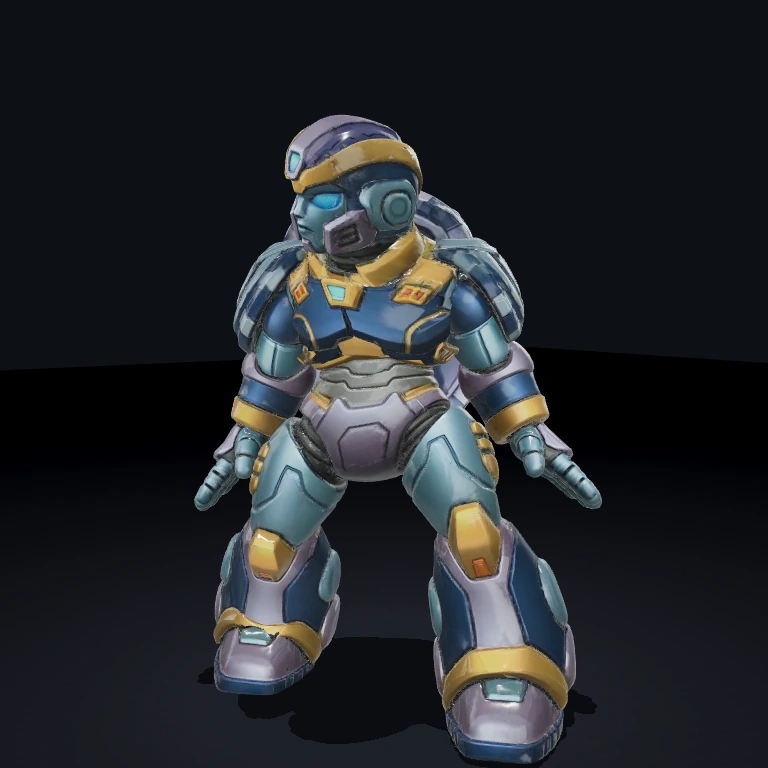
PokerAICali
Cali, the calling station: a poker NPC who pays to see cards, folds late, and rarely raises.
What it does
PokerAICali is one poker personality, dropped onto a seat as a strategy the PokerBetting director can call. Cali is the table's calling station — she climbs no equity ladder toward aggression; she just keeps paying to see the next card.
The decision is stateless: the same NpcContext and the same rng draw return the same action.
- Pre-flop she reads the starting-hand tier from
PokerAI'sclassifyStartingHand. Premium and strong hands take a 90/10 call-over-raise weighting. A moderate hand flat-calls. Weak and trash hands check for free when nothing's owed, and otherwise lean on a call-heavy weighting that folds only at the tail of the draw. - Post-flop she weighs made-hand equity from
PokerAI'sestimateEquityand stays sticky at every rung. Two pair or better mostly calls and occasionally raises; one pair just calls down; ace-high still usually calls and lets go only when the price is steep and the draw lands at the fold bucket.
The post-flop equity-to-action map is the pure decidePostFlop(available, equity, rng) helper, split out so each rung is reachable from a test by feeding equity directly. estimateEquity floors at HighCard's 0.10, so the sub-0.10 rung never fires through the live evaluator — cali still carries it, calling about half the time, for any future equity model that dips below the floor.
cali's one source of randomness is weightedPick, whose generator it takes as the fourth rng parameter (and uses for the no-context fallback too). Pin it in a test; seed it from a host. It defaults to Math.random only when a caller omits it.
PokerAICaliSystem is the event-driven glue. It listens for the director's poker.actionRequired menu, runs cali over the offered actions and the table snapshot, writes cali's reasoning back onto the context for a HUD, and emits poker.turnAction.
Use it in a scene
A scene is just data — a list of entities, each with its components. At startup the SceneLoader turns this JSON into a live world; edit the file and reload to rebuild it.
Fastest path
Pulls this exact scene into your project and runs it — no copy-paste. Add --all to grab the components and assets it needs too.
Or build it from scratch with the bjs CLI:
- 1Scaffold a project
World, renderer, and dev server — ready to run.
- 2Install dependencies
- 3Add PokerAICali
Copies its source into src/ so the scene resolves.
First time? Run bjs login once.
- 4Paste the scene into src/scenes/arcade-room.ts and run
SceneLoader builds the world from the JSON; reload to rebuild.
The example scene pairs it with PokerHandEval and PokerBetting: the director offers a menu on poker.actionRequired, cali answers with poker.turnAction, the director applies the chip effect. Or call the strategy directly to register it on a seat:
Props
| Prop | Type | Default | Meaning |
|---|---|---|---|
seatIds | string[] | [] | Seats cali plays. Empty means she answers for every NPC seat offered a menu. |
Events
| Direction | Name | Const | Payload |
|---|---|---|---|
| in | poker.actionRequired | PokerAICaliInputEvents.ACTION_REQUIRED | { playerId, actions, context? } |
| out | poker.turnAction | PokerAICaliEvents.TURN_ACTION | { playerId, action } |
poker.turnAction is the same name PokerBetting accepts as a human's raw action, so the director applies cali's pick exactly as it would a HUD click. With no context on the menu, cali falls back to a uniform pick over the offered actions; with one, she runs the full tier/equity read.
Dependencies
PokerAI— suppliesclassifyStartingHand,estimateEquity,pickAction,weightedPick, andshortHand, the substrate cali reasons over.PokerBetting— suppliesActionType,NpcStrategy, andNpcContext, and is the director that offers the menu and applies the pick.PokerHandEval— the evaluatorestimateEquityreads throughPokerAIfor the post-flop rung.
Notes
- One seat owner per scene: the System routes a menu into the first entity carrying a
PokerAICaliinstance, then filters byseatIds. - The reasoning cali writes (
{ hand, tier | equity, notes }) mutates thecontextpassed in; pass a fresh context per turn if a HUD reads it back. decidePostFlopis exported for a host that wants the equity-to-action map without the menu plumbing — it returns{ action, note }and never touches the bus.- Swap
system.strategyto drop a different personality onto the same plumbing; it defaults to the purecali.


